Introduction: The Journey of Movement and Expression
Movement is a universal language, Dance Styles in King City transcending barriers and connecting individuals across cultures, ages, and experiences. Whether it's through the sway of a hip in salsa or the fluidity of a contemporary dance sequence, movement provides an outlet for self-expression that can be both exhilarating and transformative. In this article, we will explore various dance styles and other forms of movement that encourage self-expression. We'll delve into how these practices can enhance creativity, boost confidence, and foster community among participants.
Encouraging Self-Expression through Diverse Forms of Movement
Movement has been an intrinsic part of human existence since time immemorial. From ancient rituals to modern-day dance battles, self-expression through movement is deeply rooted in our collective psyche. Encouraging self-expression through diverse forms of movement not only enriches individual lives but also enhances social connections.
Why Movement Matters in Self-Expression
When we engage in physical activity, especially dance or other expressive movements, we tap into emotions that might otherwise remain buried. This process allows individuals to convey feelings that words sometimes fail to articulate.
The Emotional Benefits of Movement
Stress Relief: Physical movement releases endorphins that reduce stress levels. Enhanced Mood: Engaging in dance or movement can elevate mood, acting as a natural antidepressant. Emotional Release: Through rhythm and motion, individuals can express joy, sadness, anger, and love.The Social Aspects of Movement
Being part of a group exercise or dance class fosters a sense of belonging. Individuals often build friendships based on shared experiences and interests.
Exploring Different Dance Styles for Expression
Dancing isn't just about following steps; it's about expressing oneself authentically. Let's take a closer look at some popular dance styles that encourage self-expression.
1. Contemporary Dance: Fluidity and Freedom
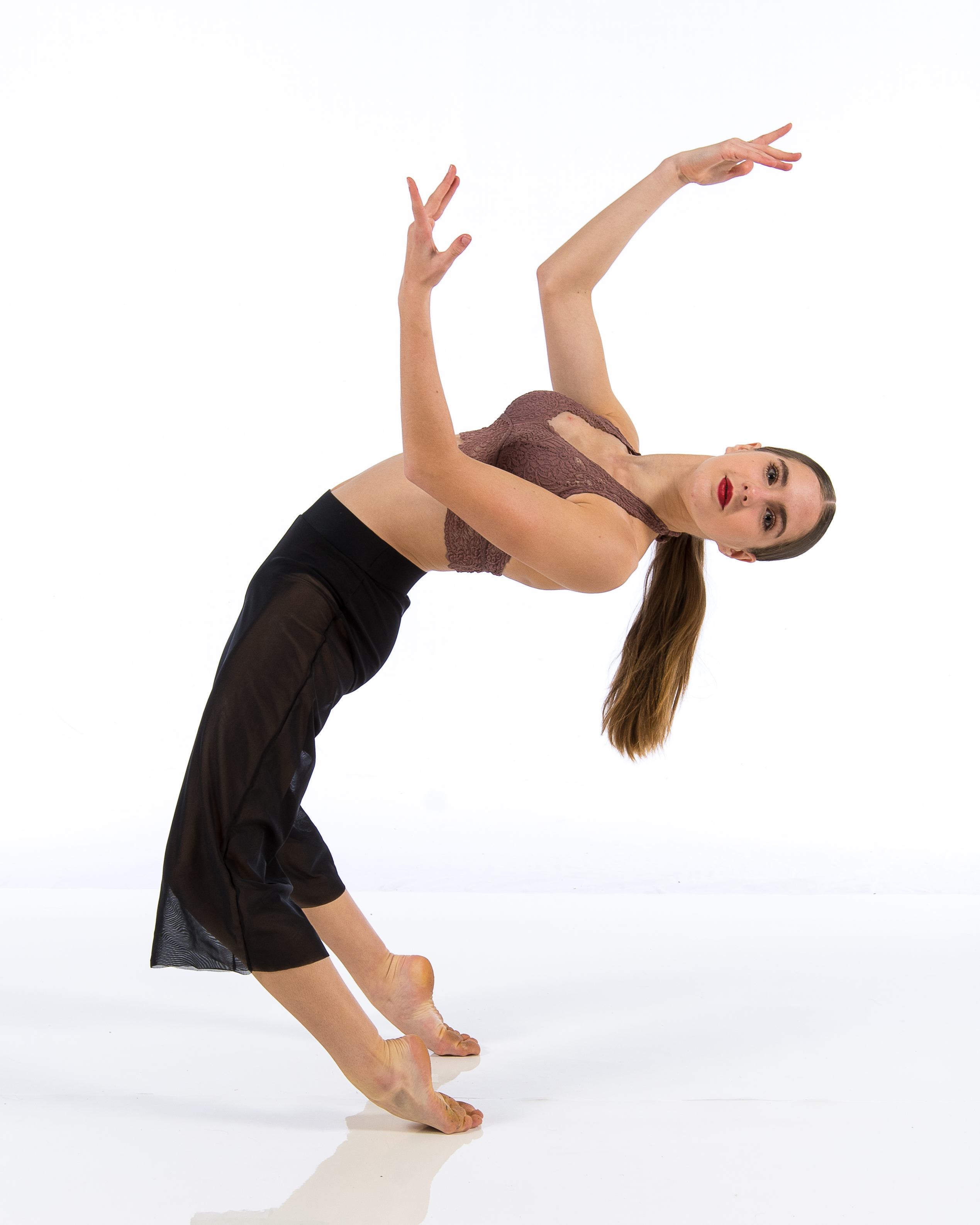
Contemporary dance embraces innovation and personal expression. It encourages dancers to interpret their emotions freely through fluid movements.
Key Characteristics:
- Incorporates elements from various genres. Focuses on improvisation. Emphasizes emotional storytelling.
Benefits:
Engaging in contemporary dance allows for personal interpretation of music and emotion, fostering deep connections with oneself.
2. Hip-Hop Dance: Urban Expressionism
Hip-hop is more than just a dance style; it's a culture that encompasses music, fashion, art, and social commentary.
Key Characteristics:
- Street-style dancing with elements like breakdancing. Emphasis on rhythm and timing. Often features freestyle components allowing for personal flair.
Benefits:
Hip-hop empowers dancers to express their individuality while also addressing social issues relevant to their communities.
3. Ballet: Grace Meets Discipline
Often seen as the foundation for many other dance styles, ballet emphasizes precision and grace while enabling expression through storytelling.
Key Characteristics:
- Rigid structure with defined techniques. Focuses on formality and discipline. Often tells stories through movement.
Benefits:
Ballet instills confidence due to its focus Wilsonville dance and jazz styles on posture and technique while allowing dancers to embody various characters emotionally.
The Intersection of Dance Styles with Other Movement Forms
While dance forms a significant part of expressive movement, there are numerous other activities that facilitate self-expression:
4. Martial Arts: Discipline Meets Expression
Martial arts encompass various disciplines — from Taekwondo to Capoeira — enabling practitioners to express themselves physically while honing discipline and respect.
Benefits:
Martial arts teach not only physical skills but also mental fortitude and emotional control.
5. Yoga: Breath as Movement
Yoga combines breath with movement for both physical health benefits and emotional release. It's an excellent way to connect mind and body more deeply.
Benefits:
Practicing yoga enhances self-awareness while promoting relaxation through mindful movements.
How Dance Styles Encourage Creativity
Each style offers unique ways for individuals to unleash their creativity:
6. Improvisational Dance Techniques
Improvisational techniques allow dancers the freedom to express themselves without constraints:
Freestyle sessions enable spontaneous expression. Group improvisation fosters collaboration. Choreography based on personal experiences nurtures authenticity.7. The Role of Music in Expressive Movement
Music is integral to most forms of movement; it sets the tone for emotional expression:
Rhythmic beats inspire energetic movements. Melodic tunes evoke nostalgia leading to reflective expressions. Lyrics may resonate personally influencing one’s performance style significantly!8. The Influence of Culture on Dance Styles
Culture shapes how people move; different regions have distinct styles reflecting their heritage:
Traditional dances preserve cultural stories. Modern interpretations bring new life while maintaining roots!9. How Age Influences Self-Expression Through Movement
Self-expression can evolve across different life stages:
Children often express unfiltered joy! Adolescents experiment with identity through diverse styles! 3 Adults may seek comfort within familiar movements or challenge themselves creatively!10. Overcoming Barriers to Participation in Dance
Many individuals face obstacles when engaging in expressive movements:
Fear of judgment may hold back potential participants! 2 Accessibility concerns limit involvement opportunities! 3 Understanding these barriers enables better support systems within communities!FAQs About Encouraging Self-Expression Through Diverse Forms of Movement
Q1: What are some beginner-friendly dance styles?
A1: Beginners may find jazz or hip-hop enjoyable due to their approachable rhythms!
Q2: Can seniors participate in expressive movement?
A2: Absolutely! Many seniors enjoy gentle forms like line dancing or chair yoga!
Q3: How does movement therapy work?
A3: Movement therapy employs creative expression techniques helping participants explore emotions safely!
Q4: What role does improvisation play?
A4: Improvisation allows dancers freedom enhancing creativity while expressing unique perspectives!
Q5: Are there any online resources available?
A5: Yes! Numerous platforms offer virtual classes across all genres making learning accessible anywhere!
Q6: How can I choose the right style for myself?
A6: Consider your interests—whether you prefer structured techniques (like ballet) or freeform (like contemporary)—to find what resonates best!
Conclusion
Encouraging self-expression through diverse forms of movement opens doors not only for personal growth but also community connection! Whether you sway gracefully into contemporary styles or bust moves reminiscent of urban culture—there's something magical about letting your body speak its truth! So why wait? Dive into the world where rhythm meets emotion—discover your own unique journey today!
This article has covered multiple aspects related to encouraging self-expression through diverse forms of movement by exploring various dance styles along with other activities promoting creative freedom—ultimately celebrating how interconnected we all are via our shared love for moving our bodies!