Introduction
The vibrant world of hip-hop dance is an ever-changing landscape that reflects not only the music it accompanies but also the cultural shifts and societal changes around us. From its inception in the late 1970s to its current status as a global phenomenon, hip-hop dance styles have morphed, innovated, and inspired countless generations. In this extensive exploration, we'll delve deep into the various facets of hip-hop dance styles, their historical context, evolution, and the fresh trends that keep them relevant today.
Keeping It Fresh: The Ever-Evolving World of Hip-Hop Dance Styles
Hip-hop dance styles are as diverse as the communities from which they originate. Each style tells a story—of struggle, triumph, and creativity. But what keeps these styles fresh? Is it the influences from other genres? The younger generations adding their twist? Or is it simply the unquenchable thirst for expression that characterizes hip-hop culture?
To understand this dynamism, we must first explore the roots of hip-hop dance.
Historical Context of Hip-Hop Dance
The Birth of Hip-Hop Dance: A Cultural Movement
Hip-hop dance emerged from African American and Latino communities in New modern dance classes Beaverton York City during the late 1970s. It was more than just a form of entertainment; it was a voice for marginalized youth. Street corners became stages where dancers showcased their unique moves.
- Key Elements: Four core elements define hip-hop culture: DJing, MCing (rapping), graffiti art, and breakdancing. Breakdancing: Also known as b-boying, this style emphasizes acrobatic moves and intricate footwork.
Pioneers Who Shaped Hip-Hop Dance Styles
Notable figures like DJ Kool Herc and Afrika Bambaataa were instrumental in popularizing hip-hop culture. Dancers such as Rock Steady Crew introduced new techniques and helped solidify breakdancing's place in mainstream culture.
The Evolution of Dance Styles in Hip-Hop
From Breakdancing to Street Dancing
As hip-hop grew, so did its movement vocabulary. While breakdancing laid the groundwork, other styles began to emerge:
Locking: Originating in California during the 1970s. Popping: A technique involving sudden muscle contractions. Dance Styles in King City Krumping: An expressive dance style characterized by free-form movements.These styles brought together different influences—funk, jazz, and even martial arts—creating a rich tapestry of movement.
Incorporating Other Genres: The Fusion Effect
As hip-hop continued to evolve through globalization:
- Dancehall Influence: Jamaican dance styles added flavor to hip-hop. Contemporary Dance: Many choreographers began integrating contemporary techniques into their routines.
This fusion not only kept things fresh but also expanded audiences' perceptions of what hip-hop could be.
Current Trends in Hip-Hop Dance Styles
Social Media's Impact on Hip-Hop Dance Culture
Platforms like TikTok and Instagram have transformed how dancers share their work:
- Viral challenges often dictate which moves become popular. Dancers can reach global audiences instantly.
This democratization has led to new sub-styles emerging almost overnight.
The Role of Competitions and Showcases
Events like "World of Dance" or "So You Think You Can Dance" serve as platforms for showcasing talent:
- These competitions elevate dancers' profiles. They encourage innovation as participants push boundaries to stand out.
Signature Moves That Define Hip-Hop Styles
Iconic Moves Every Dancer Should Know
Some moves have become synonymous with specific styles:
The Moonwalk - Associated with popping. The Robot - A staple in locking. Tutting - Known for angular movements resembling ancient Egyptian art.Each move carries its own history and significance within the broader context of hip-hop culture.
Keeping It Fresh: The Role of Choreography in Hip-Hop
Choreographers Leading the Charge
Choreographers play a crucial role in maintaining innovation within hip-hop dance:
- Names like Brian Friedman and Fatima Robinson have redefined choreography through their unique interpretations.
Their innovative approaches blend classic moves with modern twists that keep audiences engaged.
Diversity in Hip-Hop Dance Styles Across Cultures
Global Perspectives on Hip-Hop Dance
Hip-hop has transcended borders; each region infuses its local culture into its interpretation:
- In Japan: Street dancing melds with traditional movements. In South Korea: K-Pop has popularized intricate choreography influenced by hip-hop.
These variations showcase how adaptable hip-hop can be while still retaining its core essence.
The Importance of Community in Hip-Hop Dance Culture
Building Connections Through Dance Style
Community is at the heart of hip-hop culture:
- Local cyphers allow dancers to connect and share skills. Events foster camaraderie among practitioners across different backgrounds.
Through collaboration and shared passion, dancers create bonds that transcend language barriers.
FAQs About Hip-Hop Dance Styles
What is the most popular style of hip-hop dance today?
Currently, street dance forms like krumping and locking are gaining popularity due to social media exposure. However, new trends emerge frequently based on viral challenges or competitions.
How do I begin learning hip-hop dance?
Start by watching tutorials online or joining local classes focused on beginner-friendly techniques. Practicing consistently will help you develop your skills over time!
Is there an age limit for learning hip-hop dance?
Absolutely not! People from all age groups participate in hip-hop dancing; it’s about having fun while expressing yourself creatively!
Are there any health benefits associated with practicing hip-hop dance?
Yes! Engaging regularly in any form of physical activity helps improve cardiovascular health while enhancing flexibility and coordination skills.
Can I mix other genres with my personal style?
Definitely! Many successful dancers incorporate elements from ballet or contemporary into their routines—this fusion often leads to uniquely captivating performances!
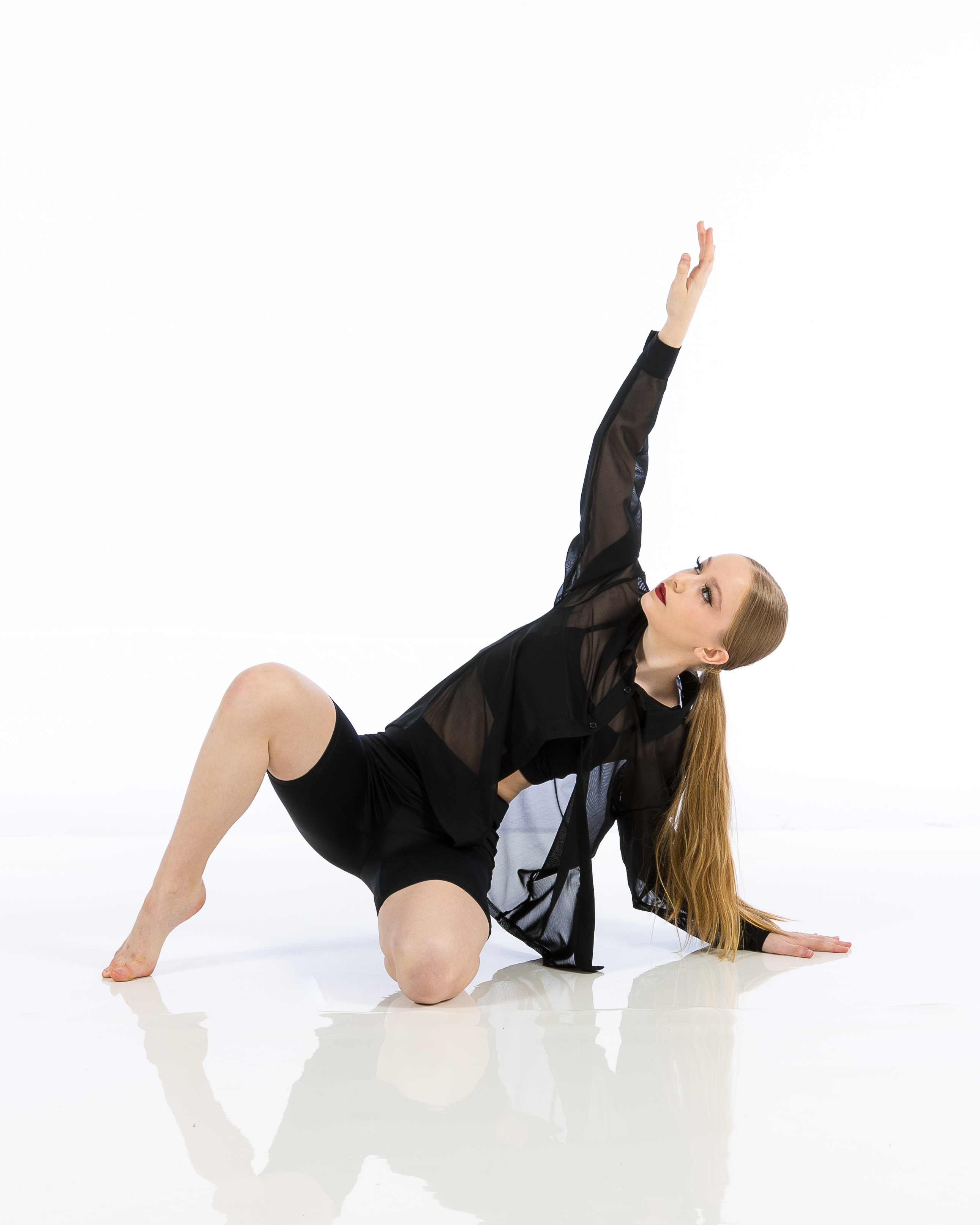
What should I wear when attending a class or performance?
Comfortable clothing that allows for freedom of movement is recommended—think loose-fitting tops paired with breathable pants or shorts!
Conclusion
The world of hip-hop dance styles continues to thrive thanks to its ability to adapt while honoring tradition. By embracing diversity within movements—from breakdancing roots through fusion techniques—we see just how alive this culture truly is! Whether you’re just starting your journey or are an experienced dancer looking for inspiration—the richness found within these evolving forms offers something for everyone willing enough to dive deeper into its vibrant rhythms! So keep those feet moving because there's always something new waiting around every corner!
With each twist and turn on this artistic journey called life—express yourself unapologetically through rhythmic beats resonating deep down inside!